What Is the Higgs Mechanism?

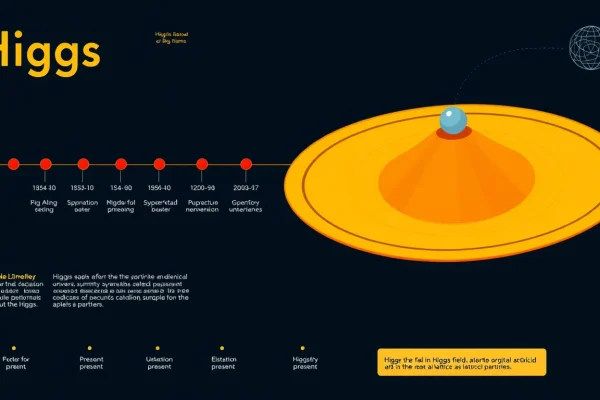
The Higgs mechanism explains how elementary particles acquire mass through interaction with the Higgs field. This field, which permeates all of space, broke symmetry in the early universe and gave rise to the masses of W and Z bosons while leaving the photon massless, a cornerstone of the Standard Model.

Read More →

How Do We Test the Cosmological Principle? Observational Evidence and Challenges

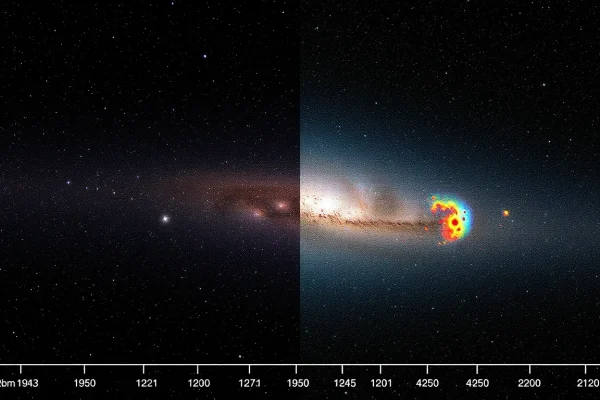
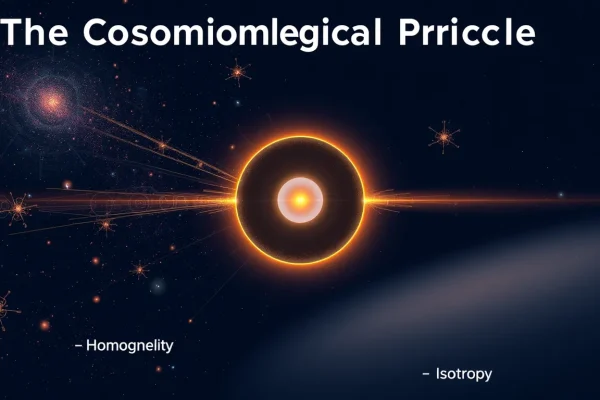
The cosmological principle—the assumption that the universe is homogeneous and isotropic on large scales—underpins modern cosmology. This article explores how astronomers test it using galaxy surveys, the cosmic microwave background, and baryon acoustic oscillations, and examines recent challenges and the current scientific consensus.

Read More →

How Do Astronomers Measure Galaxy Redshift? A Cosmic Timeline and Interactive Reference

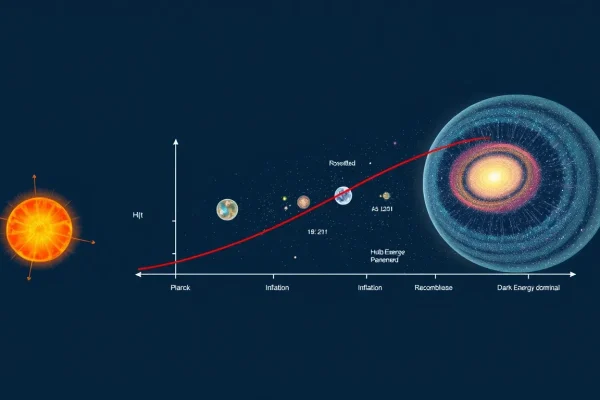
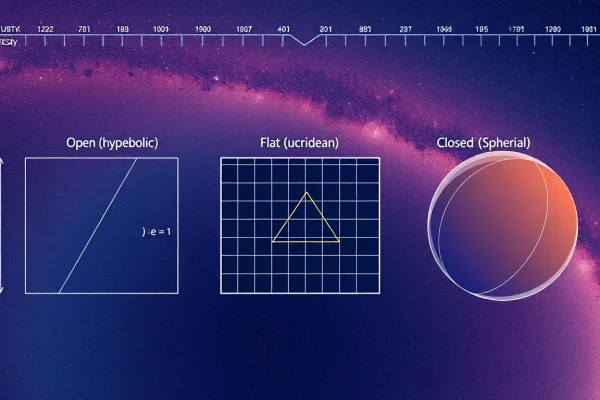
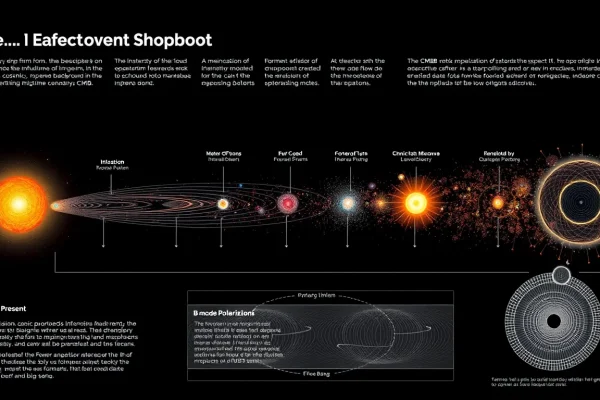
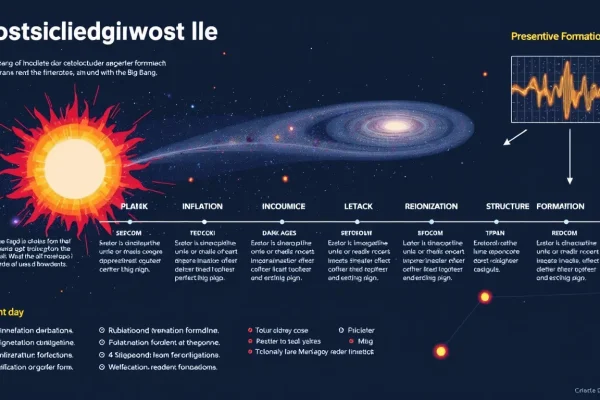
This comprehensive guide explains how astronomers measure galaxy redshift and uses that measurement as a key to understanding the origin and evolution of the universe, from the Planck epoch to the present day. It includes a detailed timeline of cosmic epochs, the role of the cosmic microwave background, and the missions that revealed them.

Read More →