How Does the CMB Confirm Cosmic Inflation?

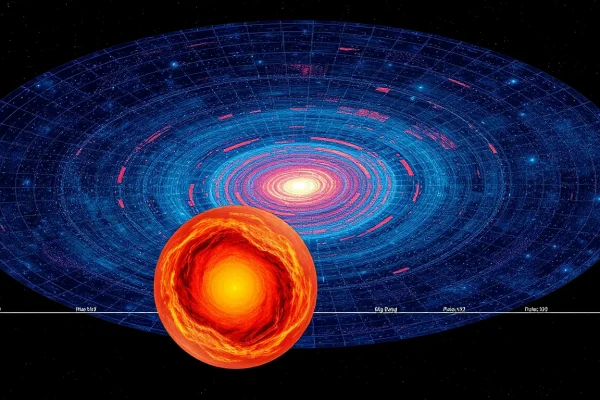
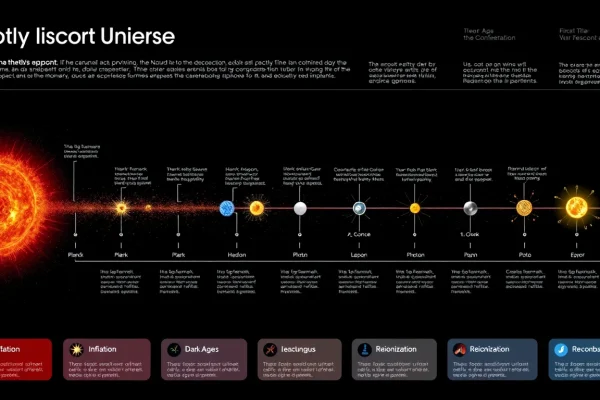
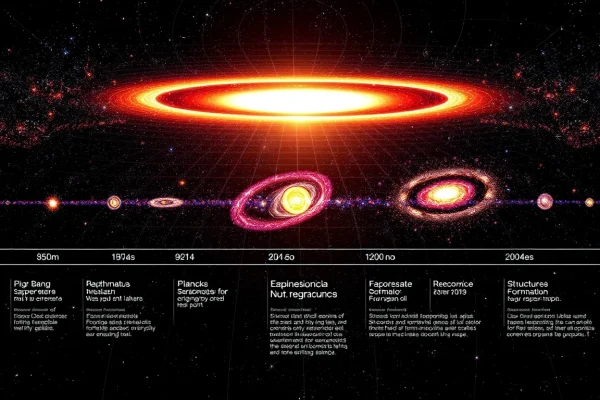
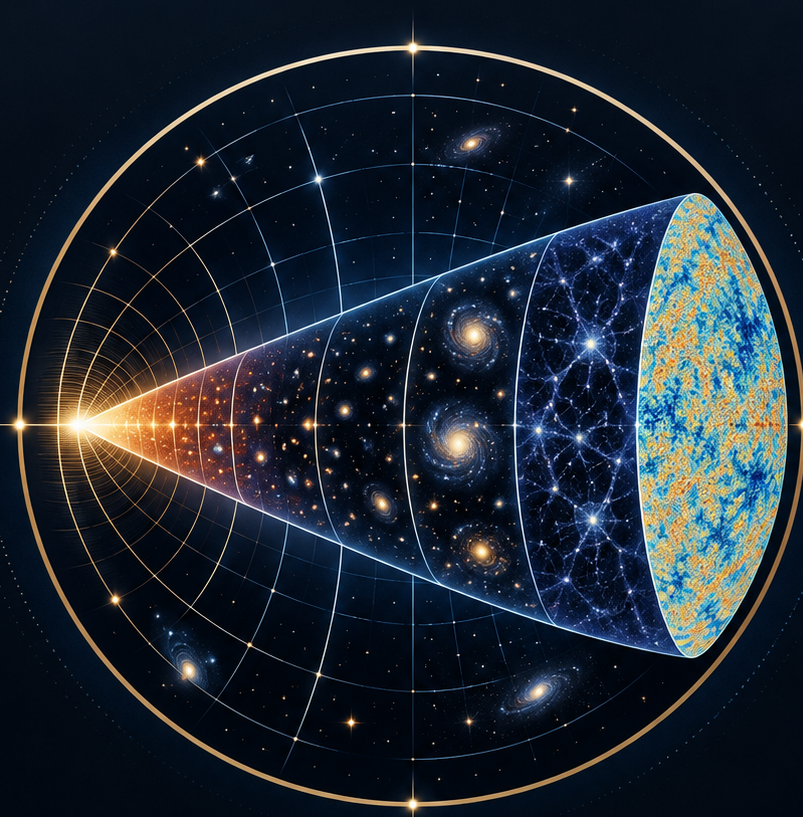
The cosmic microwave background (CMB) is the oldest light in the universe, a relic of the Big Bang. Its near-perfect blackbody spectrum and tiny temperature fluctuations provide powerful evidence for cosmic inflation, the theory that the universe expanded exponentially in the first fraction of a second. This article explains how CMB observations confirm inflation and traces the cosmic epochs from the Planck era to structure formation.

Read More →

What Is the Cosmic Web?

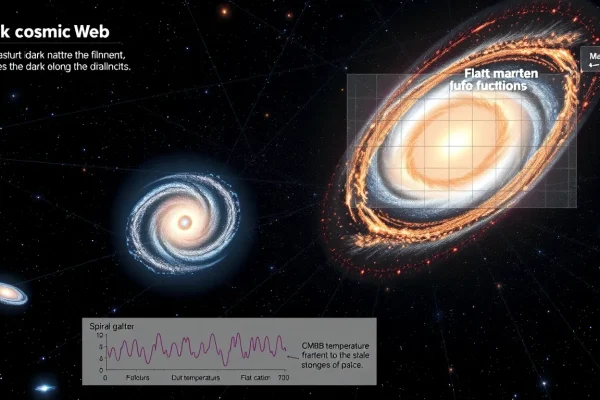
The cosmic web is the largest known pattern in the universe—a vast network of filaments, sheets, and voids made of dark matter, gas, and galaxies. This article traces its origin from the Big Bang through cosmic inflation, recombination, and structure formation, and explains how missions like Planck and JWST have mapped its evolution.

Read More →

How Do Cosmic Microwave Background Anisotropies Reveal the Universe’s Composition?

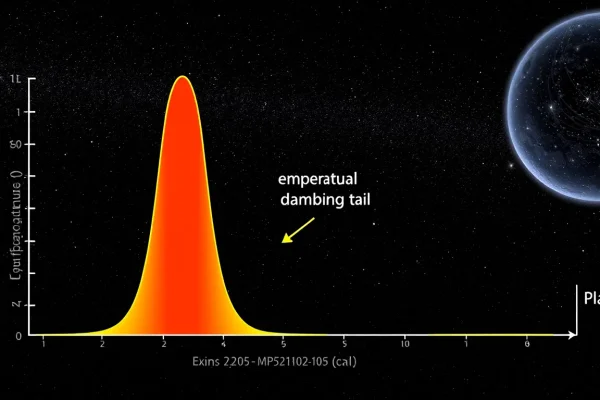
Cosmic microwave background anisotropies are tiny temperature fluctuations in the oldest light of the universe that encode the density perturbations seeding all cosmic structure. By decoding their angular power spectrum, cosmologists have established the ΛCDM model: a flat universe composed of roughly 5% ordinary matter, 27% dark matter, and 68% dark energy.

Read More →

What Is the Baryon-to-Photon Ratio and Why Does It Matter?

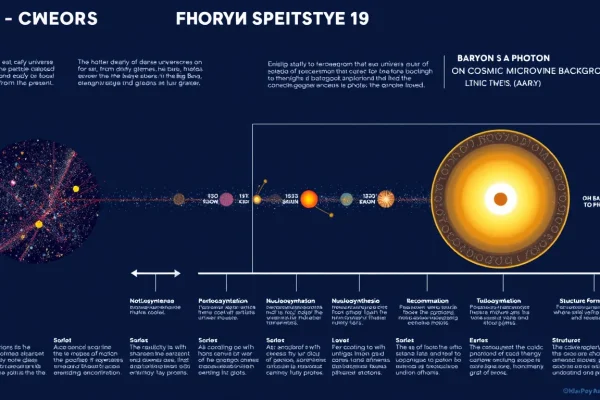
The baryon-to-photon ratio (η) is one of the most precisely measured numbers in cosmology, quantifying the tiny excess of matter over radiation in the early universe. It determines the abundances of light elements created during Big Bang nucleosynthesis and shapes the temperature fluctuations we observe in the cosmic microwave background, making it a cornerstone of the ΛCDM model.

Read More →