What Is the End of Greatness? The Scale Where the Universe Becomes Homogeneous

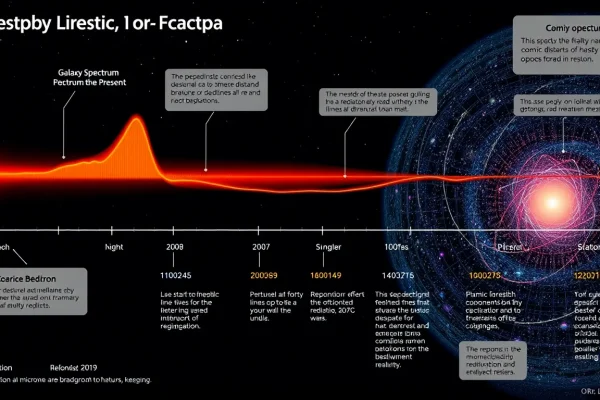
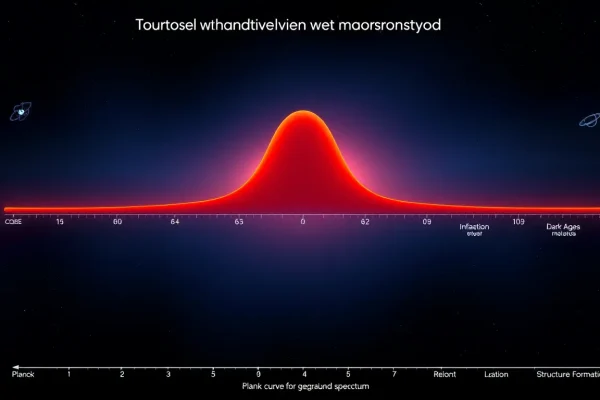
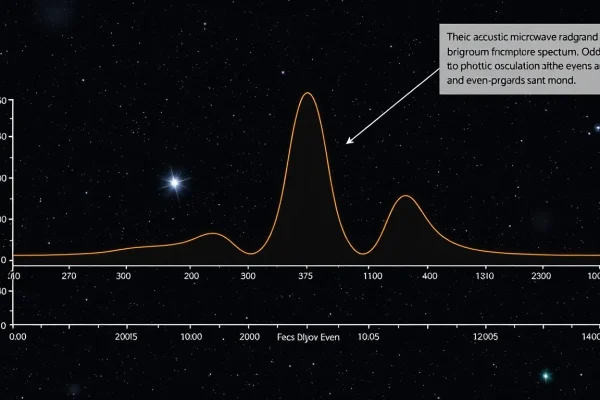
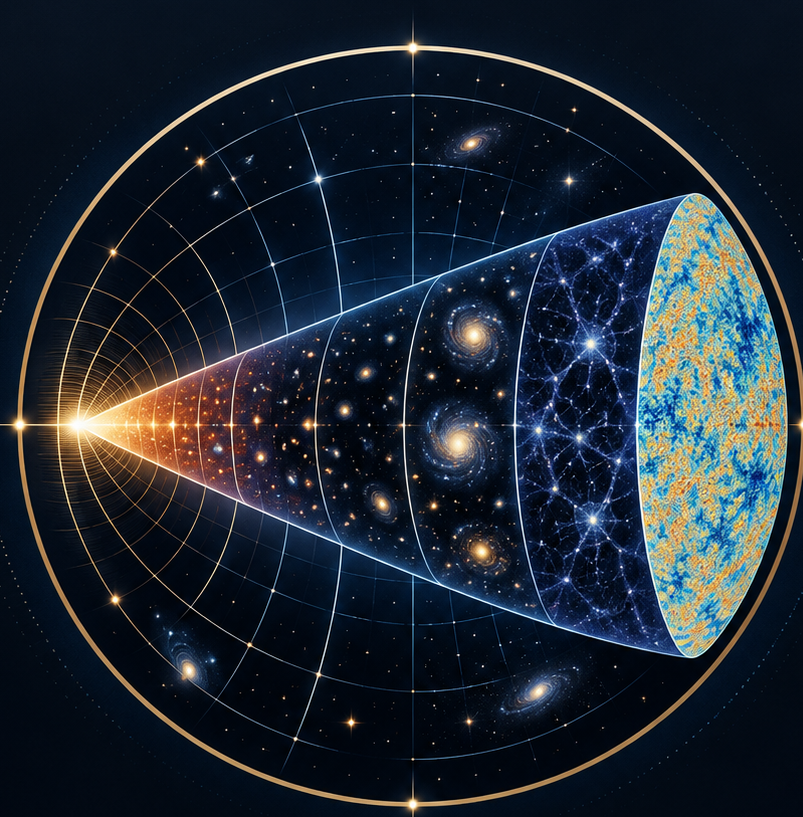
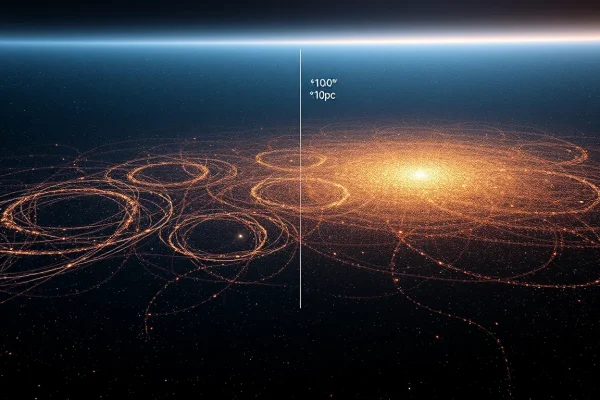
The End of Greatness marks the cosmic scale—roughly 100 megaparsecs—beyond which the universe’s lumpy structure gives way to smooth homogeneity. This article explores that threshold, the cosmic epochs leading to it, and the evidence from missions like COBE, WMAP, Planck, and JWST that anchor our understanding of the universe’s evolution.
Read More →

What Is Quantum Gravity? The Physics of the Planck Epoch

Quantum gravity is the still-incomplete theoretical framework needed to describe the universe at the Planck scale, where both quantum mechanics and general relativity are essential. This article explores the Planck epoch—the earliest instants after the Big Bang—and traces the cosmic timeline from that quantum-dominated beginning through inflation, nucleosynthesis, recombination, and the formation of stars and galaxies.

Read More →

What Is Lepton Asymmetry?

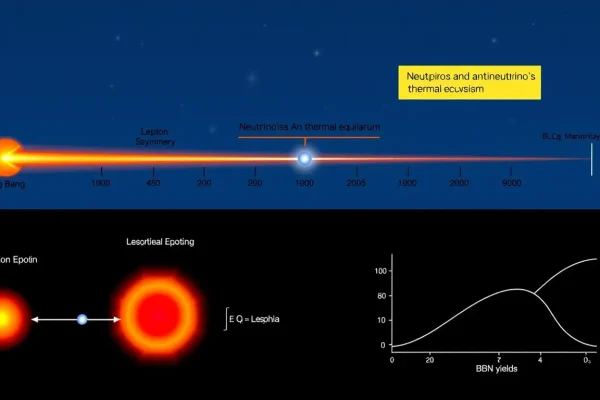
Lepton asymmetry is the excess of leptons over antileptons in the universe. This subtle imbalance shapes the early cosmos, influences Big Bang nucleosynthesis, and leaves imprints on the cosmic microwave background. Learn how it fits into the standard cosmological model and what we know from precision measurements.

Read More →