What Is the Density of the Universe? A Breakdown of Matter, Dark Matter, and Dark Energy

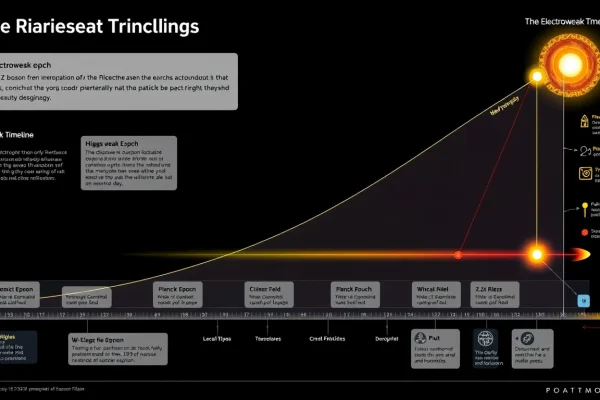
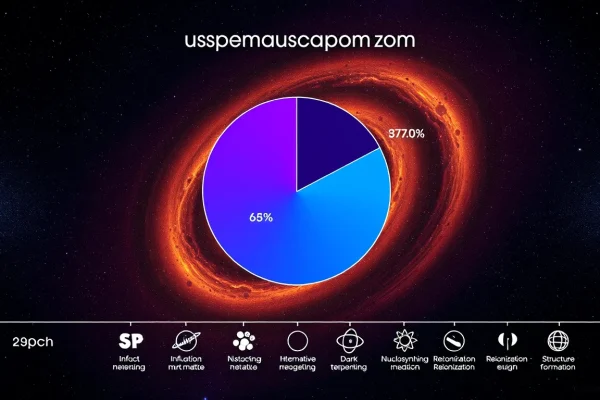
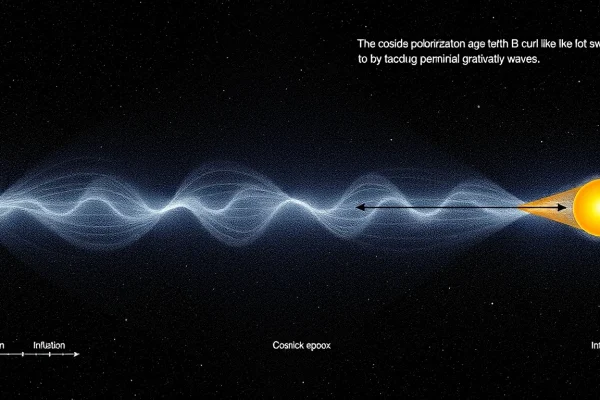
The density of the universe determines its geometry and fate. Current measurements show it is composed of 5% normal matter, 27% dark matter, and 68% dark energy, with a total density very close to the critical value. This article explores the cosmic density budget, the epochs that shaped the universe, and the evidence from missions like Planck and WMAP.
Read More →

How Do Galaxy Surveys Detect Baryon Acoustic Oscillations?

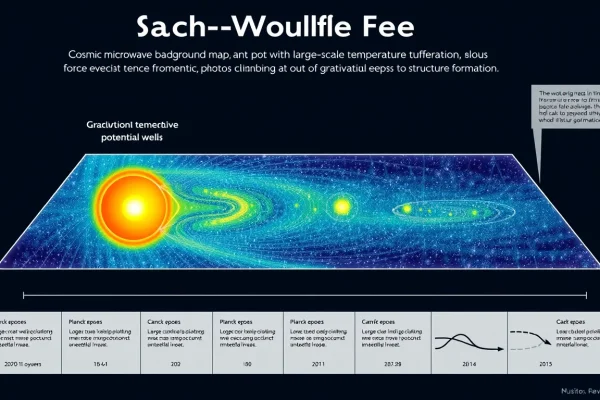
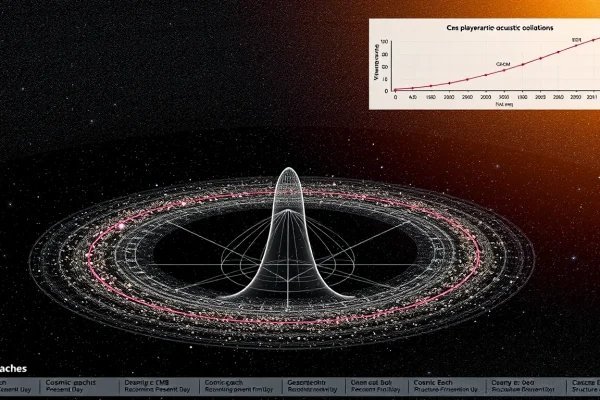
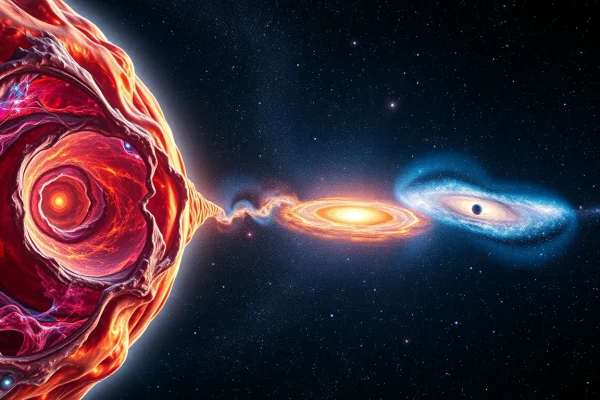
Baryon acoustic oscillations (BAOs) are a fossil imprint of sound waves in the early universe, appearing as a subtle clustering pattern in galaxy distributions. Galaxy surveys detect this pattern by measuring the correlation function or power spectrum, revealing a characteristic scale that serves as a standard ruler for cosmic expansion. This guide explains the detection method, its cosmic significance, and the full timeline of cosmic evolution from the Planck epoch to today.

Read More →