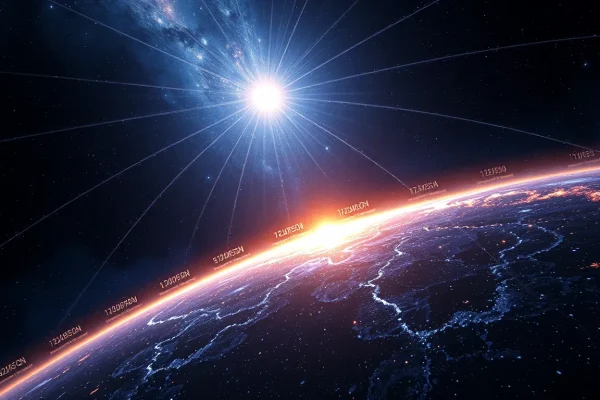
What Caused the Big Bang?

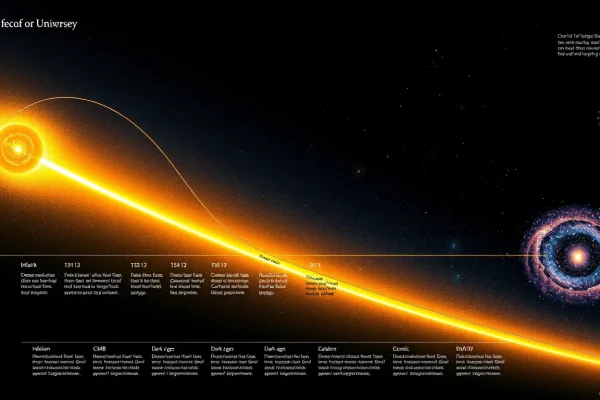
The Big Bang is the leading scientific explanation for the origin of the universe, describing its expansion from an extremely hot, dense state 13.8 billion years ago. This article explores the evidence, the cosmic epochs that followed, and the open question of what triggered the initial event.
Read More →

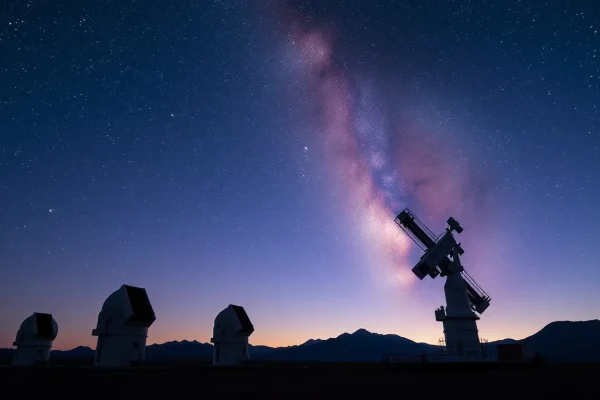
What Is the Simons Observatory? A Window into the Cosmic Microwave Background

The Simons Observatory is a next-generation cosmic microwave background experiment in the Atacama Desert, designed to probe the earliest moments of the universe—from inflation to the formation of the first stars and galaxies. Using a suite of small and large aperture telescopes, it maps the oldest light in the cosmos with unprecedented precision, targeting questions about the universe’s origin, composition, and evolution.

Read More →

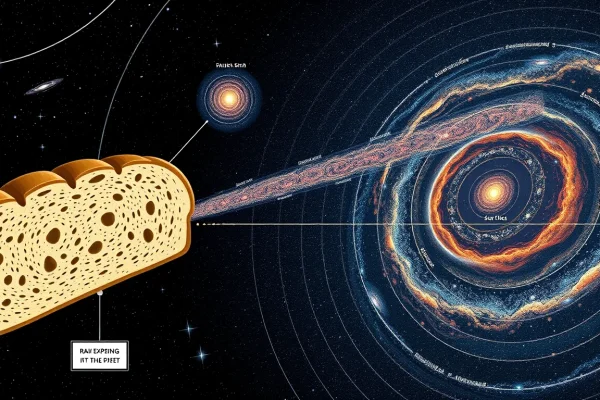
What Happened One Second After the Big Bang? A Cosmic Timeline

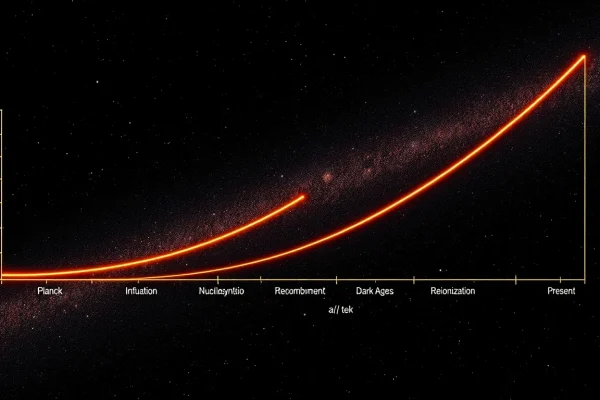
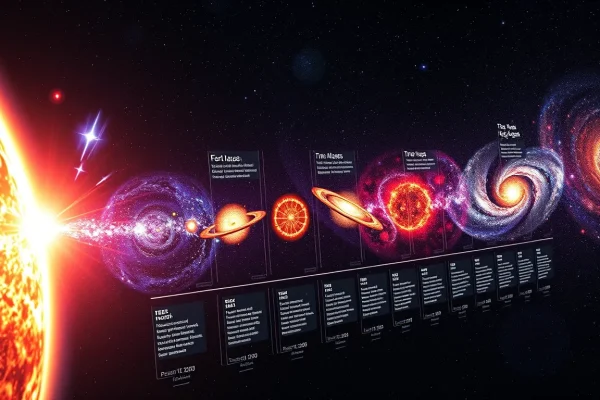
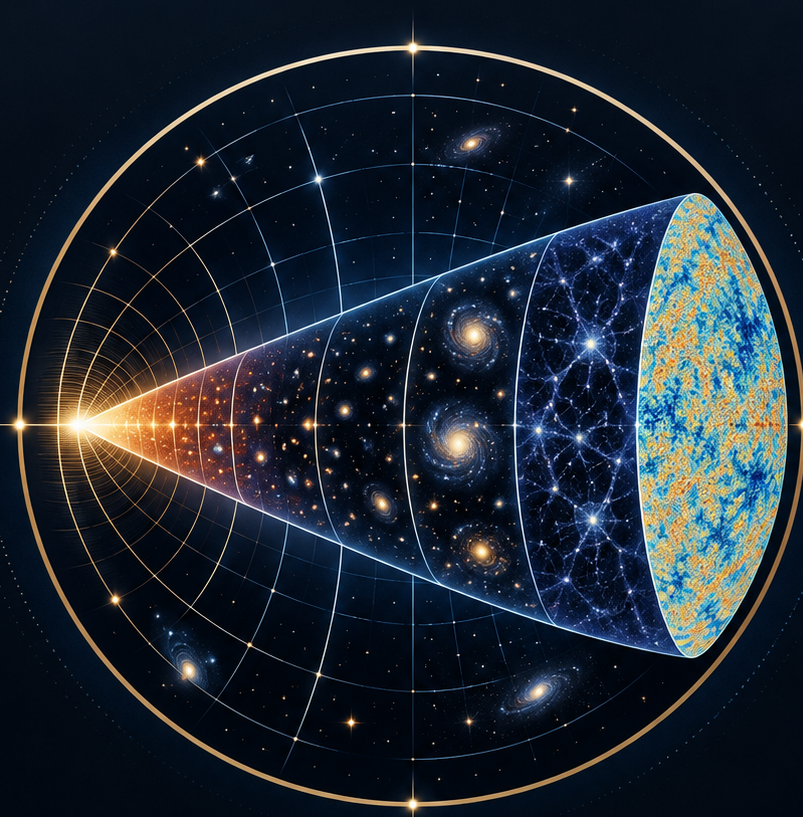
One second after the Big Bang, the universe had expanded and cooled enough for neutrinos to decouple, ending the quark–hadron transition and setting the stage for nucleosynthesis. This article traces the entire cosmic timeline from the Planck epoch to structure formation, explaining inflation, recombination, the cosmic microwave background, and the emergence of stars and galaxies.

Read More →