What Is the Observable Universe?

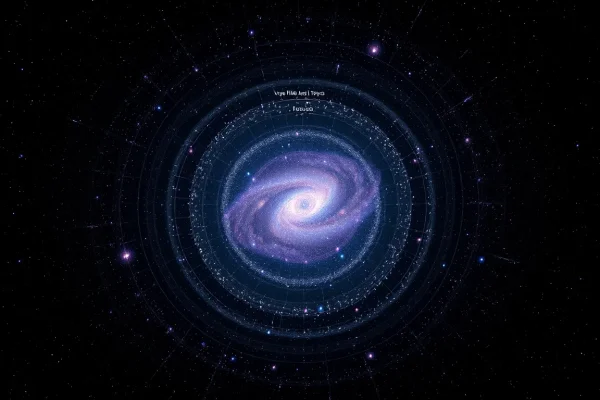
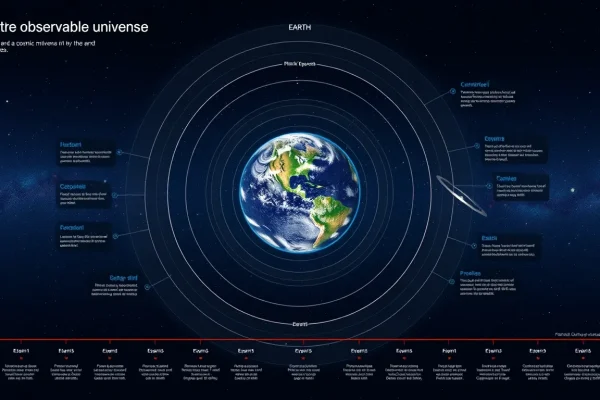
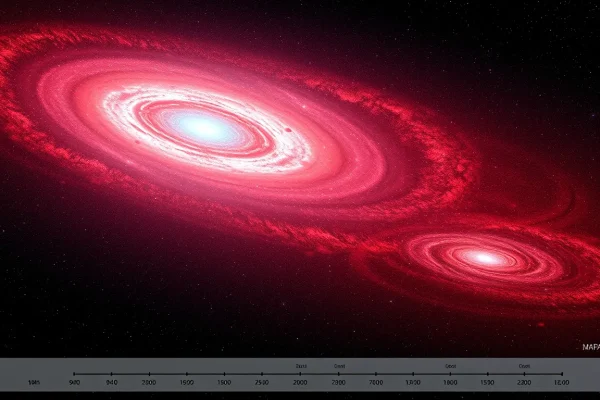
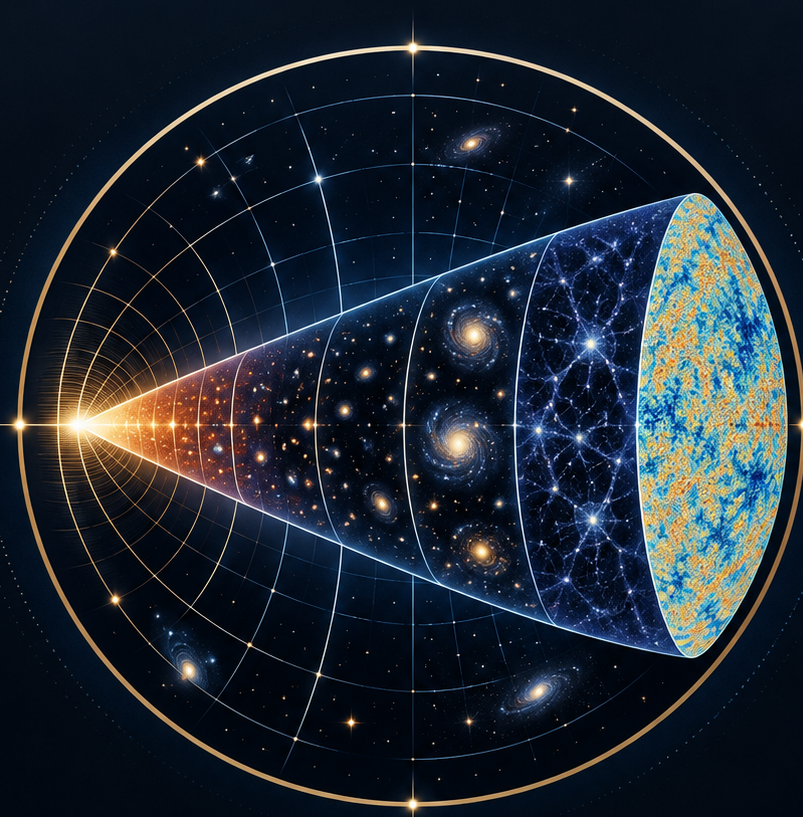
The observable universe is the spherical region of space that we can see from Earth, bounded by the cosmic horizon set by the speed of light and the age of the universe. This guide explores its origin, the key epochs of cosmic evolution, and the evidence that shapes our understanding of everything from the Big Bang to the present day.

Read More →

When Did the First Stars Form? A Cosmic Timeline from Planck Epoch to Reionization

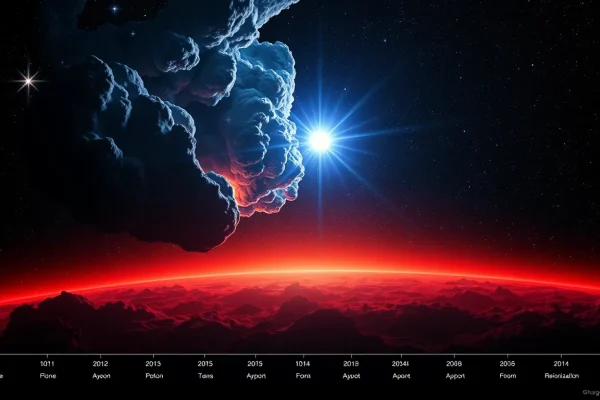
The first stars emerged roughly 100–200 million years after the Big Bang, ending the cosmic dark ages. This article traces the full evolution of the universe—from the Planck epoch through inflation, recombination, and reionization—and explains how the first atoms, stars, and galaxies formed, with key evidence from COBE, WMAP, Planck, and JWST.

Read More →