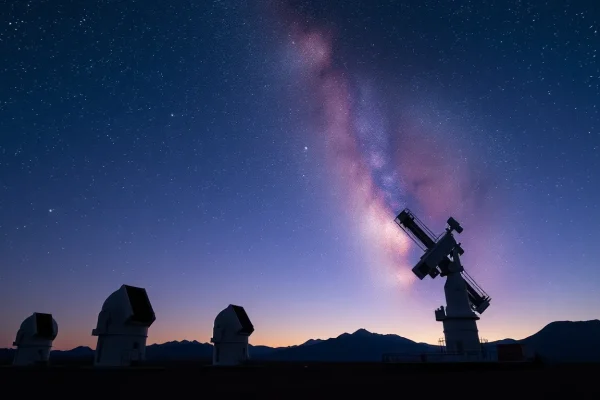
What Is the Simons Observatory? A Window into the Cosmic Microwave Background

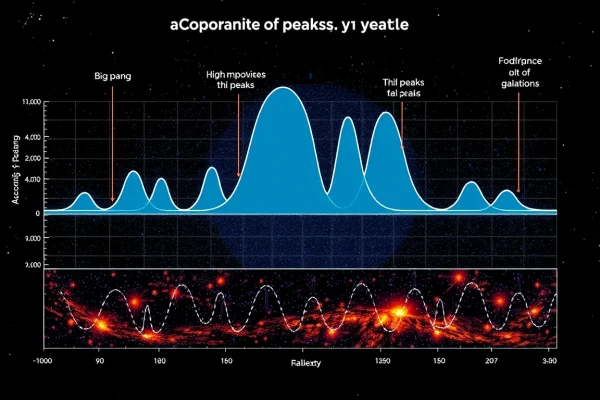
The Simons Observatory is a next-generation cosmic microwave background experiment in the Atacama Desert, designed to probe the earliest moments of the universe—from inflation to the formation of the first stars and galaxies. Using a suite of small and large aperture telescopes, it maps the oldest light in the cosmos with unprecedented precision, targeting questions about the universe’s origin, composition, and evolution.
Read More →

What Happened One Second After the Big Bang? A Cosmic Timeline

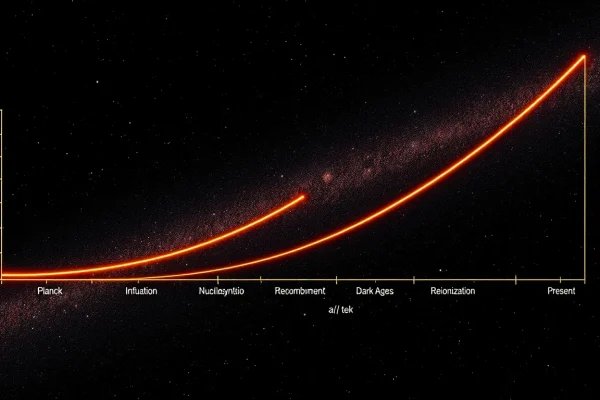
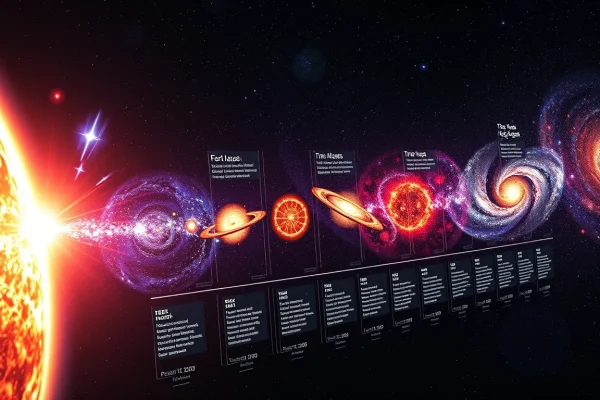
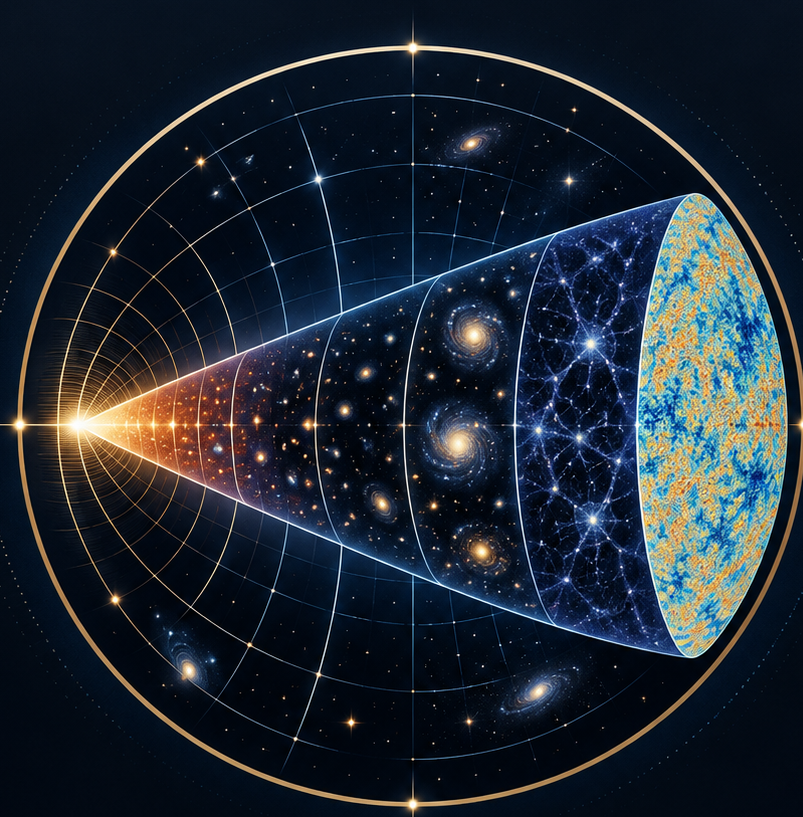
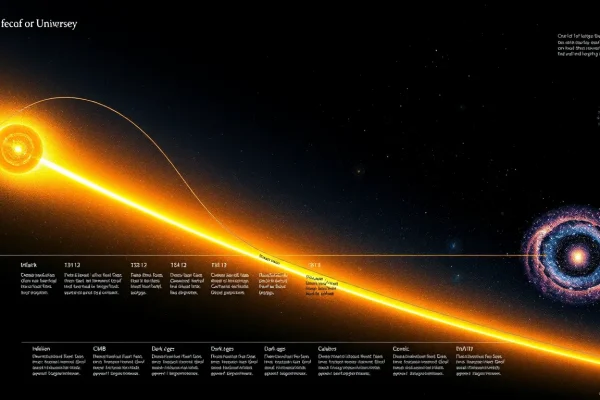
One second after the Big Bang, the universe had expanded and cooled enough for neutrinos to decouple, ending the quark–hadron transition and setting the stage for nucleosynthesis. This article traces the entire cosmic timeline from the Planck epoch to structure formation, explaining inflation, recombination, the cosmic microwave background, and the emergence of stars and galaxies.

Read More →

What Happened 380,000 Years After the Big Bang? The Cosmic Dawn of Transparency

Approximately 380,000 years after the Big Bang, the universe cooled enough for electrons and protons to combine into neutral hydrogen, releasing the cosmic microwave background. This pivotal moment, called recombination, marked the universe’s transition from an opaque plasma to a transparent state, setting the stage for the first stars and galaxies.

Read More →